
Smoked turkey is so much easier than you think! A great brine or rub, plus a little patience turns your ordinary bird into a juicy, smoky masterpiece.

When we lived in Washington state, I was always left in charge of smoking the turkey. I don’t remember how or when it started exactly, but it quickly became my forte. Even though I’m the youngest in the family, my family trusted me to make the turkey in the smoker every single year, and quickly, I became the expert. This specific smoked turkey recipe is exactly how I made it year after year, and everybody always loves the way it tastes. Nobody else ever gets a chance to touch the smoker because they love my version so much!
Equipment & Supplies Needed
There are a few pieces of cooking equipment that you’ll definitely need to have on hand to really excel on this recipe. Here are my absolute must-haves to make your turkey cook correctly.
- Smoker: Any smoker works — pellet, electric, charcoal, or a gas grill set up for indirect heat. As long as it holds steady temperatures and produces wood smoke, you’re good! This is the smoker I used.
- Probe thermometer: An instant-read thermometer or a remote probe is essential. You’ll need to frequently check the turkey when it gets close to being done to make sure you don’t overcook it accidentally.
- A disposable pan (optional): A disposable pan can be a good idea to use as a drip pan. Add water or broth into it and it will catch drippings, add humidity to the smoker, and eases cleanup afterwards. Refill it if it dries out while smoking the turkey to keep the humidity going .
Using a Frozen Turkey?
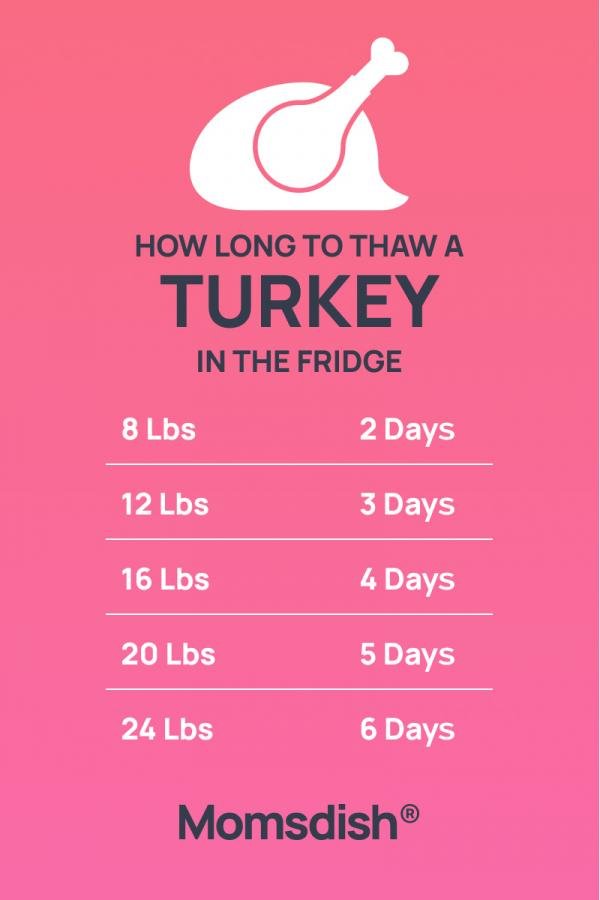
If you’re using a frozen turkey, check out this handy guide on how to thaw it properly.
How to Smoke a Turkey
The process is so straightforward that even a teenager can do it. No, really. I was a teen when I started! Make sure to start with a fully thawed turkey and then keep going.
- Make the dry rub: Combine the salt, pepper, paprika, 21 Seasoning Salute, and garlic seasoning.
- Rub the spices onto the turkey: Apply the dry rub to the turkey. Make sure to coat under the wings, skin, and every other area you can get into. Allow the turkey to “marinate” in the fridge for at least 24 hours to allow the spices to seep in.
- Set up the smoker: Set the smoker to 225°F and add wood chips or pellets.
- Stuff the cavity: Stuff the turkey with an onion and apples.
- Smoke low and slow: Place the turkey breast side up into the smoker. Smoke about 30-40 minutes per pound of turkey, or until the internal temperature in the deepest part reaches 165°F.
- Rest before carving: Let the turkey sit 15-30 minutes, tented loosely with foil (to keep in the moisture) before carving and serving.
Hot tip: Save the drippings, giblets, and neck to make gravy. Strain the smoky drippings, skim off excess fat, then whisk with broth and a flour or cornstarch slurry. Yum!

Smoked Turkey Rub vs Brine
Most often, I like to coat my turkey in a dry rub, but I have also done it with a brine before. Both methods make deeply flavorful, juicy meat. The dry rub method gives more flavorful skin, but the brine method usually is a smidge more moist. Pick the one that fits you best. If you’re using a store-bought turkey, check whether it is already pre-brined, and adjust the salt in the brine or rub accordingly.
Dry Rub (Quick and Foolproof)
For the dry rub, I combine paprika, salt, black pepper, garlic powder, and a multi-purpose seasoning blend (like 21 Seasoning Salute from Trader Joes). I like to let the rub sit on the turkey overnight to 24 hours in the fridge for a crispier, more flavorful skin.
Wet Brine (Maximum Moisture)
For a 10-12 pound turkey, I combine 1 gallon of water, ½ cup fine sea salt, ½ cup packed brown sugar, 6 smashed garlic cloves, 2 bay leaves, and 1 tablespoon whole black peppercorns. Heat some of the water to make sure the sugar and salt completely dissolve. Refrigerate the brine until it’s cold, then submerge the turkey in it for 12-18 hours (kept in the refrigerator). When ready, remove the turkey from the brine, rinse it (this is optional), then pat the turkey dry before continuing with seasoning (avoiding any more salt) and smoking.

Tips for the Best Smoked Turkey
What’s the secret to a great, juicy smoked turkey? There’s no secret! These tips will get you there!
- Make sure the turkey is fully thawed: Make sure your whole turkey is thawed or else it will not cook evenly! Fully thaw the whole bird in the refrigerator beforehand (see the chart above) and never on the counter.
- Use a good wood chip: I prefer hickory or maple wood chips for smoking poultry, but any mild wood such as apple, pecan, or cherry wood are good options so the smoke doesn’t overpower the turkey. Any of these add a wonderful smokey, fall flavor to your bird.
- Dry the skin well: Pat the turkey thoroughly with paper towels and let it air-dry uncovered in the fridge after brining or seasoning. The drier the outside, the more crispy skin you’ll get!
- Put butter on (optional): Work softened herb butter between the skin and meat. It bastes the breast from the inside, adding richness and helping the skin brown. Or, baste or spritz the turkey with chicken broth or melted butter every once in a while while it smokes (but try not to do it too often so as to mess with the smoking process).
- Stuff the cavity loosely: Depending on the size of your turkey, you’ll need to adjust the stuffing amount. It is best to stuff the cavity loosely with aromatics instead of tightly. By the time the inside of the stuffing reaches a safe temperature, the meat might be overcooked if it’s packed too tightly. I prefer onion and apple for my stuffing, but lemon, carrots, citrus, and other herbs (rosemary, thyme, etc.) are good options.
- Trust the thermometer, not the clock: Smokers behave differently, so a 12-pound bird might need six hours with one smoker or nine hours with a different one. Use a thermometer to check that the thickest breast and thigh meats read 165°F. I like to start checking the turkey temperature about an hour before the estimated finish time.
- Tent with foil if needed: If you see that the skin on the turkey is getting too dark, tent it with foil until it finishes smoking.
- Rest, then carve the turkey: Let the turkey rest for 15-30 minutes after cooking to allow the juices to settle. If the turkey finishes early, wrap it in foil, stash it in a cooler and it’ll stay hot for hours until ready to serve.
Did you know? Tenting with foil during the rest traps steam and softens the skin. For shatteringly crisp skin, rest it naked and blast it under a broiler for 2-3 minutes before serving.
Serving Smoked Turkey
Smoked turkey can be enjoyed year-round, but it gets special acknowledgment around Thanksgiving time. Serve it with creamy mashed potatoes, green beans, stuffing, and any other side dishes you love. Or, use slices of smoked turkey to build a delicious sandwich, stir into soups, put into casseroles, and so much more!
Storing and Using Leftovers
Smoked turkey leftovers make me so happy! It’s so nice to enjoy the incredible smoke flavor over again and again!
- Refrigerator: Transfer the meat to airtight containers within two hours. Refrigerate and use within four days.
- Freezer: Wrap the turkey tightly in freezer-safe bags or containers, then freeze for up to four months.
- Reheating: For the best flavor, wrap turkey slices in foil with a splash of broth or gravy, then reheat in a 275°F oven. Microwaving is a fast option, but it tends to zap the moisture.
More Turkey Recipes
- Turkey Necks Recipe (Extra Tender) – The most underrated cut, braised until fully tender
- Easy Turkey Recipe (The BEST) – A classic baked turkey with herb butter
- Turkey Neck Soup (Literally The Best) – Light, savory, and deeply comforting soup
- How to Make Turkey Bone Broth (Zero Waste) – Simmer the bones into a rich, nourishing stock
Recipe

Ingredients
- 12 lb turkey
- 3 tbsp salt
- 2 tbsp black pepper
- 2 tbsp paprika
- 3 tbsp 21 Seasoning Salute or similar seasoning
- 2 tbsp garlic powder
- 1 Onion
- 2 Apples
Instructions
- Create the dry rub by combining the salt, pepper, paprika, 21 Seasoning Salute, and garlic powder.

- Rub the turkey generously with the spices. Apply the spices under the wings, skin, and every other area you can get to. Let the turkey "marinate" for 24 hours in the fridge.

- Stuff the turkey with a whole onion and whole apples. This adds great flavor to the turkey. Then, place the turkey in the smoker with the breast facing up.

- Smoke the turkey for 30-40 minute per pound at 225°F. The smoke time depends on the size of the turkey. The turkey is ready once the internal temperature of the meat reaches 165°F. Let the turkey rest and cool for 15-30 minute before slicing. Enjoy!




Hi Natalya what kind of wood/pallets do you used on your smoker..thanks
Hi Eddie, Hickory or Maple Wood are the best wood chip for smoking turkey. They add a wonderful smokey and fall flavor.
Do you put the turkey inside a bag when you put it in the fridge for marinating?
Hey Vika, you can use a bag or a large container to hold the turkey.
We tried your Rub for our turkey on smoker and it turned out so juicy and yummy everyone was pleased thank you for sharing!:) Have you tried smoking a chicken. Do you think this Turkey Rub will work well with a chicken too?
Hey Vika, yes, it will be delicious! Might as well make two because they will be gone quick. 🙂
If we plan to bring this to someone house how would you reheat it if made day ahead??
Hey Viktoriya, I would shorten the smoking time and do 30 minutes to an hour in an oven right before serving.
Thanks for the recipe. Do I place the turkey directly on the grates or place it in a pan?
Hi Steve, I always placed mine on the grates. But I don't think you can go wrong with placing it in a pan.
Snoked turkey is so delicious! The brine really adds to the flavor and keeps the bird so moist and juicy!
Yes smoked turkey is the perfect twist to a classic roasted turkey, and it remains so juicy and so full of flavor.
This turkey rub sounds tasty!! I am all about making our Thanksgiving turkey as good as I can get it!
It's a super simple, yet flavorful rub. I hope you love this recipe!
This was so helpful! I can't wait to make this now! My family is going to love it!
I hope you love it Beth; smoking gives so much flavor to a turkey!
Made this for thanksgiving was very delicious thank u!
I am glad you loved it! I am hoping to share more recipes using a smoker.
Thank you for this! So timely!
🙂 I hope you love the recipe!
Would you recommend a rub or a brine for a more flavorful, juicy turkey?
I tried both, I feel like rub is much easier. Brine is also great because flavors absorbs flavors faster. It's hard to pick. If you have a brine you really like, you can use it.
Do you end up using wood chips and smoking the turkey for the entire time?
Hey Katerina, yes, I use wood chips or pellets the whole time. My current smoker uses pellets, so that's what I use. Back in the day we had a smoker that used wood chips.
OK. Thanks! My husband just thought it would end up being too smoky of a flavor if you use chips throughout the entire cook time so I wanted to make sure that's what you did.
Chips burn out at some point so they stop smoking.